













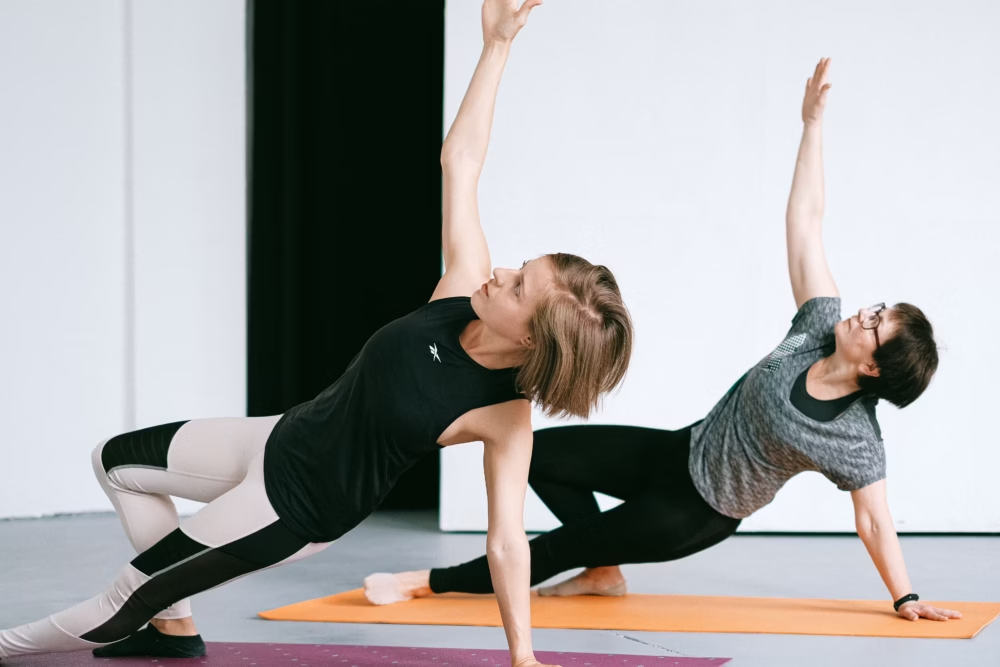

These days, many people spend hours sitting at desks, looking at screens, or moving through repetitive daily routines. Over time, those habits can affect posture, reduce flexibility, and make simple movements feel less controlled than they once did.
You may notice it when climbing stairs, reaching for something on a high shelf, or trying to maintain balance on uneven ground. These small challenges often point to a larger issue: reduced movement and mobility.
The good news is that improving the way your body moves does not always require intense workouts or high-impact exercise. Pilates offers a practical and effective approach to building balance, stability, and coordination while supporting overall physical wellbeing.
By strengthening deep muscles, improving body awareness, and encouraging better movement patterns, Pilates helps people move with greater confidence and control in everyday life.
Understanding the Connection Between Movement and Mobility
Movement and mobility are closely connected, but they are not exactly the same thing.
Movement refers to how the body performs physical actions. Mobility describes the body’s ability to move freely and efficiently through its full range of motion.
When mobility decreases, movement often becomes less efficient. Muscles compensate, joints experience more strain, and balance may become less reliable.
This is where Pilates becomes especially valuable.
Many people who explore pilates in South Kensington do so because they want to improve posture, mobility, and physical function without placing unnecessary stress on their joints.
Pilates focuses on controlled movement rather than forceful repetition. That approach helps develop the strength and coordination needed for healthier everyday movement.
How Pilates Improves Balance and Coordination
Balance involves much more than standing on one leg. It depends on communication between the muscles, joints, nervous system, and brain.
Coordination works in a similar way. The body must learn how to move different muscle groups together efficiently and smoothly.
Pilates for balance focuses on developing this connection.
Through carefully controlled exercises, participants improve body awareness and learn how to engage stabilizing muscles more effectively. As awareness improves, movement becomes more precise and coordinated.
Many Pilates balance training exercises challenge the body to maintain stability while moving different limbs simultaneously. This process teaches the nervous system to respond more efficiently during daily activities.
As a result, people often notice improvements in walking, reaching, lifting, and changing direction.
These benefits extend far beyond the Pilates studio.
Building Stability Through Core Strength Training
When people think about the core, they often picture abdominal muscles. In reality, the core includes a complex network of deep structural muscles that support the spine and pelvis.
Core stability training is one of the foundations of Pilates.
These deeper muscles help maintain alignment while protecting the body during movement. When they become stronger, the body gains a more stable foundation.
At Trevor Blount Pilates, this focus on deep core muscle training helps clients improve posture, reduce unnecessary strain, and support healthier movement patterns.
Research continues to highlight the importance of core strength and balance. Studies have shown that individuals with stronger core stability often demonstrate better movement efficiency and reduced risk of falls or injuries.
Strong core engagement exercises also support better posture and mobility by helping the body maintain proper alignment throughout daily activities.
Pilates Exercises That Improve Movement and Mobility
One reason Pilates remains popular is its ability to improve multiple aspects of physical health at the same time.
Many Pilates mobility exercises combine strength, flexibility, and coordination into a single movement sequence. Instead of isolating one muscle group, the exercises encourage the body to work as an integrated system.
Functional movement exercises are especially effective because they mimic real-life activities.
For example, controlled rotational movements help improve reaching and twisting actions. Leg stability exercises support walking and stair climbing. Dynamic stability exercises challenge balance while strengthening the muscles that support the joints.
This whole-body movement training approach encourages more natural and efficient movement throughout the day.
Over time, many people experience noticeable improvements in mobility and flexibility, making everyday tasks feel easier and more comfortable.
How Pilates Supports Different Age Groups
Pilates is adaptable, which makes it suitable for people of various ages and fitness levels.
Pilates for Beginners
New participants often appreciate the controlled pace and focus on proper technique. Pilates for beginners emphasizes body awareness, posture, and movement quality improvement before progressing to more challenging exercises.
This creates a strong foundation for long-term success.
Pilates for Active Aging
As people age, maintaining strength, mobility, and balance becomes increasingly important.
Pilates for active aging focuses on preserving independence by improving coordination and mobility. Better balance and mobility training can help reduce fall risk while supporting confidence during daily activities.
Joint Health and Stability
Joint stability exercises help protect the body from excessive wear and strain. By strengthening supporting muscles, Pilates can improve movement while reducing unnecessary pressure on the joints.
This makes Pilates especially beneficial for individuals seeking low-impact exercise options.
Improving Posture, Alignment, and Body Control
Posture influences how the body moves.
Poor posture can create muscular imbalances, increase joint stress, and limit mobility. Over time, those issues may contribute to discomfort and reduced movement confidence.
Pilates addresses these challenges by encouraging proper alignment and movement awareness.
Body alignment and balance improve as participants learn how to activate stabilizing muscles more effectively. Muscle control and coordination also become more refined through consistent practice.
The result is often better movement and posture both inside and outside the studio.
People frequently notice improvements in standing, sitting, walking, and even breathing patterns as body control develops.
Long-Term Benefits of Pilates for Whole-Body Wellness
The benefits of Pilates extend beyond flexibility and strength.
Regular practice helps create healthy movement habits that support physical wellbeing for years to come. Better balance improvement exercises, stronger core muscles, and improved body awareness all contribute to more confident movement.
Many participants also experience increased movement confidence because they feel more capable and stable during everyday activities.
Pilates workout benefits often include:
- Improved balance and coordination
- Enhanced stability and flexibility
- Better posture and alignment
- Increased core strength
- Improved functional mobility
- Greater body awareness
- Reduced joint strain
These improvements combine to support long-term movement and mobility while helping people stay active and independent.
Can Pilates Transform Your Movement and Mobility Over Time?
For many people, the answer is yes.
Pilates offers a practical way to improve balance, stability, and coordination while supporting the deeper muscles responsible for healthy movement. Unlike high-impact exercise programs, Pilates focuses on quality rather than quantity.
The results often appear gradually but consistently.
Better posture. Improved mobility. Increased balance. Stronger coordination. Greater confidence.
The key is consistency.
Whether you are looking to enhance athletic performance, improve daily function, or simply move more comfortably, Pilates provides a sustainable path toward better physical health.
If improving movement and mobility is one of your goals, consider incorporating regular Pilates sessions into your routine. Small improvements made consistently can lead to meaningful changes in how your body feels, moves, and performs every day.

| [donate]
| Help keep news FREE for our readersSupporting your local community newspaper/online news outlet is crucial now more than ever. If you believe in independent journalism,then consider making a valuable contribution by making a one-time or monthly donation. We operate in rural areas where providing unbiased news can be challenging. |