















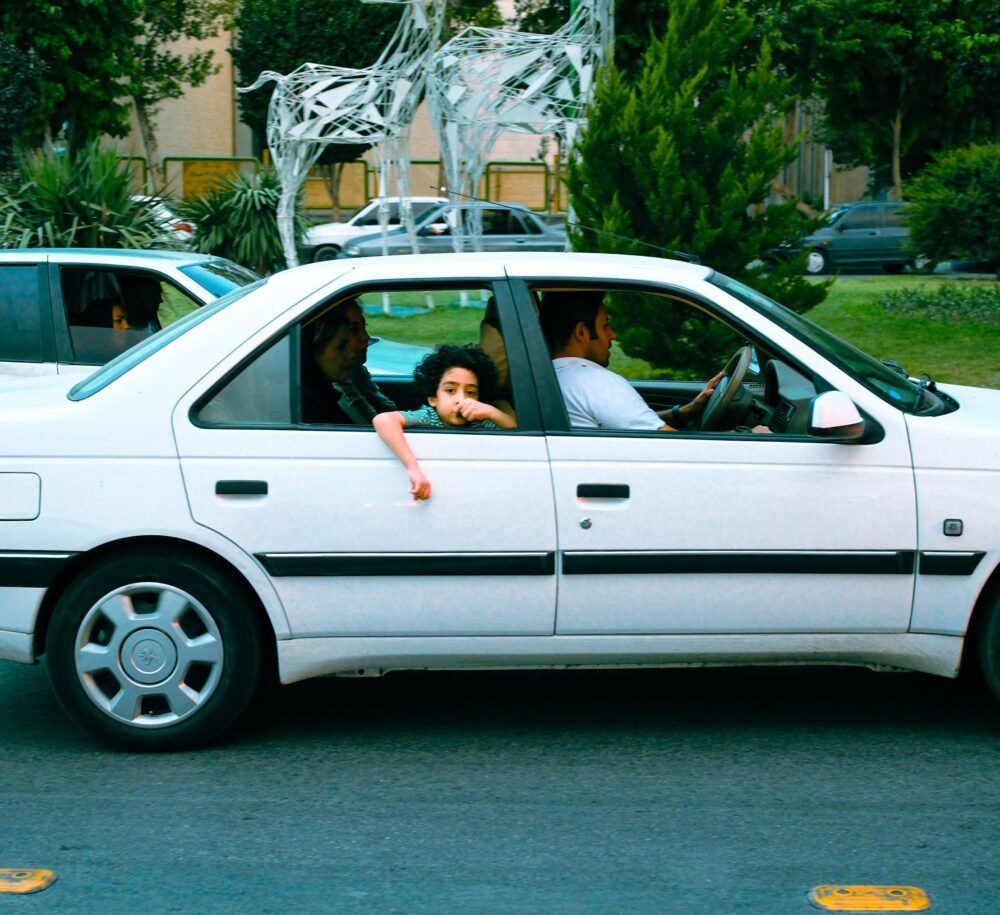

| – More than one in five parents in Wales admit to dreading long car journeys with their children – More than half face snack demands within the first 20 minutes of setting off Parents in Wales hand out snacks every 23.7 minutes on average on a road trip, with more than one in 10 admitting to giving their children more than five snacks in an hour – Almost four in 10 children ask “Are we there yet?” or “How long until we’re there?” within the first 30 minutes – Experts warn that popular road-trip treats could see children consuming up to 115g of sugar before reaching their destination Monday 19th October 2026: With Welsh families gearing up to hit the roads for October half term, new research has revealed that parents barely have time to settle into their journey before the demands start rolling in from the back seat. From endless cries of “Are we there yet?” to constant requests for snacks, tablets and entertainment, the family road trip is proving anything but relaxing, with more than one in five parents in Wales (21.6%) admitting they dread car journeys with their children that last longer than an hour. And for some, the snack demands begin almost as soon as the engine starts. Almost one in 10 parents in Wales (8.1%) say their children ask for something to eat within the first five minutes of setting off, while more than half (51.4%) face their first snack request within just 20 minutes. Once the snacks start, they keep coming. The research, commissioned by lower-sugar children’s snack brand, Jungle Squad, found that parents in Wales hand out food every 23.7 minutes on average, with more than one in 10 (10.8%) admitting to dishing out more than five snacks in a single hour. But food isn’t the only demand coming from the back seat. The classic “Are we there yet?” or “How long until we’re there?” is the second most common request (37.8%), typically cropping up within the first 30 minutes of a journey. This is followed by demands for a tablet or iPad (8.1%) and cries of “I’m bored” (8.1%). And it seems parents are resorting to a little backseat bribery to survive the journey. Two in five (40.3%) admit using snacks to distract their children, while almost four in 10 (39.1%) use food to keep them entertained. More than a third (34.5%) even admit handing out treats simply to keep the peace. When it comes to packing the all-important snack stash, convenience is king. Crisps (62.8%), biscuits (53%) and chocolate (44.8%) are among the most popular road-trip favourites, while parents are more likely to prioritise snacks that are easy to eat (19.9%) than their nutritional value (17.1%) as their number one consideration. But all that backseat snacking could come at a cost. With some popular treats containing between 10g and 20g of sugar per serving, children could consume as much as 115g of sugar over a three-hour car journey, based on an illustrative calculation using the snacking frequency revealed in the research and assuming each snack contains an average of 15g of sugar. The findings highlight how quickly sugar consumption could add up when families rely on convenient treats to get through longer journeys. Jungle Squad, the brand behind the research, is encouraging parents to rethink their road-trip snack stash this half term, without taking the fun out of family treats. Dr Emma Derbyshire, independent adviser to Imaginakery and nutrition expert for Jungle Squad, said: “Long car journeys can make it tempting for children to snack frequently throughout the day. However, it’s worth remembering that how often children consume sugary foods and drinks can be just as important as the amount they have, particularly when it comes to dental health. Planning ahead can help parents feel more prepared for family journeys. Packing a variety of snacks, including options lower in sugar, alongside water to drink, can help provide some variety and reduce the need to rely on sugary treats whenever the ‘are we there yet?’ questions begin.” Mark Simester, Founder and CEO of Jungle Squad, said: “Anyone who’s travelled with children knows that snacks can be the secret weapon to surviving a long car journey. When the ‘are we there yets?’ start coming thick and fast, it’s tempting to reach for another treat to keep everyone happy. “But with little hands reaching for snacks throughout the journey, the sugar can soon add up. We created Jungle Squad to give parents a lower-sugar alternative that children will actually be excited to eat, making those long journeys a little sweeter for everyone.” Jungle Squad’s fun, animal-shaped cake bars contain 60% less sugar than the average cake bar and are available in lemon and strawberry flavours. Jungle Squad is available in select Tesco stores on Ocado, at a promotional price of £1.25 for a pack of five cake bars. Available in lemon and strawberry flavours. RRP £1.90. Top 10 snacks usually packed on a long car journey: Crisps 62.80% Biscuits 53.00% Sandwiches 48.80% Fruit / Vegetables 46.20% Chocolate 44.80% Sweets 43.40% Cereal bars 33.00% Cake bars 27.40% Popcorn 26.90% Nuts / Dried Fruit 21.80% |

| [donate]
| Help keep news FREE for our readersSupporting your local community newspaper/online news outlet is crucial now more than ever. If you believe in independent journalism,then consider making a valuable contribution by making a one-time or monthly donation. We operate in rural areas where providing unbiased news can be challenging. |