















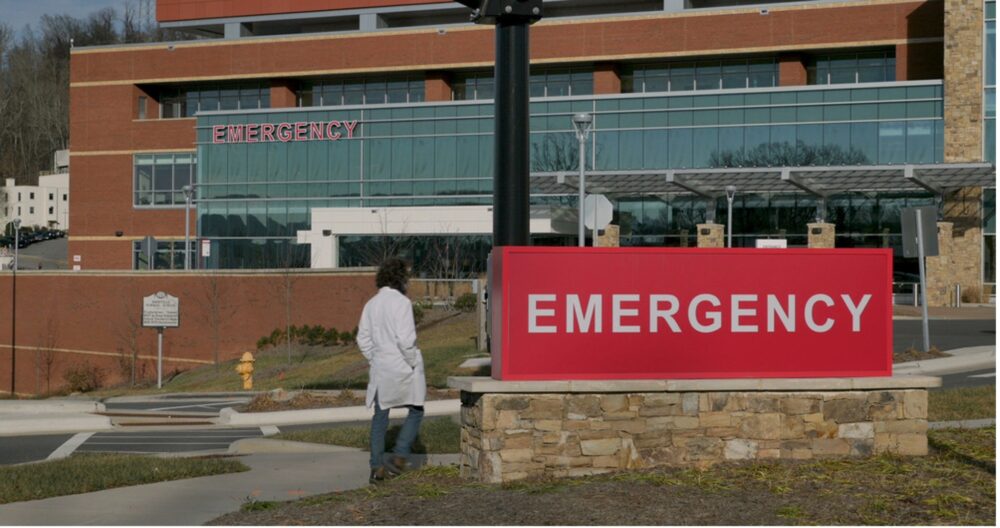

Health needs do not always fit into one category. A person may need immediate medical attention for an injury or severe symptoms, while someone else may be looking for ongoing support to address substance use. In some circumstances, these needs can overlap. Understanding the role of emergency services and treatment programs can help individuals and families recognize where to turn for different levels of care.
The Role of an Emergency Room in Acute Health Situations
Emergency departments are designed to evaluate and treat urgent medical problems. Severe injuries, difficulty breathing, chest pain, major bleeding, suspected strokes, and sudden changes in consciousness are examples of concerns that may require immediate attention. Emergency clinicians assess patients based on the seriousness of their symptoms and determine what care is needed.
An ER can also be important when a person experiences a serious complication related to substance use. An overdose, severe withdrawal symptoms, loss of consciousness, or a dangerous reaction to a substance can become a medical emergency. In these situations, calling emergency services is important. Trying to manage a potentially life-threatening reaction without professional help can put the person at greater risk.
Emergency care focuses on immediate medical needs. Once a patient is medically stable, additional services may be recommended depending on the circumstances. This distinction matters because an emergency visit does not necessarily provide the ongoing support someone may need to address substance use over time.
Recognizing When Substance Use Requires Additional Support
Substance use can affect physical health, emotional well-being, relationships, employment, and financial stability. For some people, it becomes increasingly difficult to reduce or stop use without structured support. Changes in daily routines, repeated attempts to quit, difficulty meeting responsibilities, and continued use despite negative consequences may indicate that it is time to seek professional guidance.
Approaching the subject can be difficult for both individuals and their families. Shame or fear of judgment may prevent someone from discussing what is happening. However, substance use disorders are health conditions, and seeking help is a practical step toward addressing their effects.
A professional assessment can help determine the level of care that may be appropriate. Factors may include the substance involved, frequency and duration of use, medical history, mental health needs, previous treatment experiences, and the person’s home environment. Treatment recommendations should reflect these individual circumstances rather than relying on a one-size-fits-all approach.
Exploring Substance Abuse Treatment Programs
Treatment for substance use can involve several levels of support. Some individuals may benefit from outpatient services that allow them to continue living at home while attending scheduled appointments. Others may need more structured care, including residential treatment, depending on their clinical needs and safety considerations.
Substance abuse treatment centers may offer services designed to help people address substance use through professional guidance, structured programming, and recovery planning. Depending on the program, services may include individual counseling, group sessions, relapse-prevention education, and support for developing healthier routines.
Treatment is not simply about stopping substance use. It may also involve identifying patterns and circumstances that contribute to use, developing coping strategies, and addressing related concerns such as stress, anxiety, or relationship difficulties. A comprehensive approach can help individuals work toward changes that extend beyond the initial treatment period.
Understanding the Transition From Emergency Care to Treatment
When someone receives emergency medical attention because of a substance-related crisis, the next steps may involve additional evaluation and a discussion about treatment options. Medical stabilization and longer-term recovery support serve different purposes. Emergency clinicians address immediate health risks, while a treatment program can provide continued support after the crisis has passed.
Families can help by listening without judgment, encouraging professional evaluation, and avoiding assumptions about which program is best. If a person is ready to seek treatment, contacting a provider to ask about assessments, program availability, and the services offered can help clarify the next step.
Building Support Beyond the Initial Treatment Period
Recovery often involves continued effort after a formal program ends. Follow-up appointments, counseling, peer support, and healthy daily routines may all play a role in maintaining progress. The right combination depends on the person’s needs and preferences.
It is also important for family members to recognize that they may need support themselves. Learning about substance use, setting healthy boundaries, and understanding how to respond during difficult periods can help create a more supportive environment.
Emergency services and substance use treatment programs have different but complementary roles. Knowing when immediate medical care is needed and when ongoing treatment may help allows individuals and families to respond more effectively. With appropriate evaluation and continued support, people can take meaningful steps toward improved health and recovery.

| [donate]
| Help keep news FREE for our readersSupporting your local community newspaper/online news outlet is crucial now more than ever. If you believe in independent journalism,then consider making a valuable contribution by making a one-time or monthly donation. We operate in rural areas where providing unbiased news can be challenging. |