














The shift towards cleaner, renewable energy sources has significantly gained traction in recent years, with solar technology leading the way. The promise of solar roofs, integrated directly into the lifestyle of homeowners, presents both an eco-friendly and economically viable solution to traditional energy consumption. As the world grapples with climate change, the push for sustainable solutions in everyday living is more important than ever.
The Rise of Solar Technology in Roofing
Solar roofing is no longer just a concept but a growing reality in the U.S., heralded for its promising future. According to Gitnux, there’s a projection that a quarter of all American rooftops will be equipped with solar power technology by 2030. This estimation highlights the nation’s commitment to sustainability and energy independence, showcasing a remarkable shift from conventional roofing options.
Innovations in materials and technology continue to drive down the cost of solar installations, making it more accessible to the average homeowner. The appeal is not just in energy savings, but also in its minimal environmental footprint. By incorporating solar technology into everyday lifestyle choices, homes are transforming into energy-efficient spaces.
Moreover, government incentives and tax credits are further sweetening the deal for many households. These financial benefits lower the upfront costs associated with solar technology adoption. As a consequence, homeowners are more inclined to consider solar power in their long-term home improvement plans, aligning with modern eco-friendly lifestyle goals.
Understanding the Life Cycle of Solar Roofs
Many homeowners are drawn to solar roofs not only for their energy efficiency but for their durability. As reported by CNET, solar roofs have an average lifespan of about 20 to 30 years, aligning closely with traditional solar panel longevity. This life span reduces the frequency of roof replacements and enhances the overall value proposition of solar investments in the home.
The durability of solar roofs is attributable to advancements in materials and manufacturing techniques. They are designed to withstand various weather conditions, providing reliable performance year-round. Investing in solar roofing can thus be seen as a long-term lifestyle decision that pays dividends through consistent energy savings and reduced environmental impact.
However, it’s crucial for homeowners to consider factors such as maintenance and the need for potential upgrades over the decades. Like any major home investment, proper upkeep ensures that the solar technology continues to function optimally. Understanding these long-term care requirements is key to maximizing the benefits of a solar-integrated home.
Practical Considerations for Homeowners
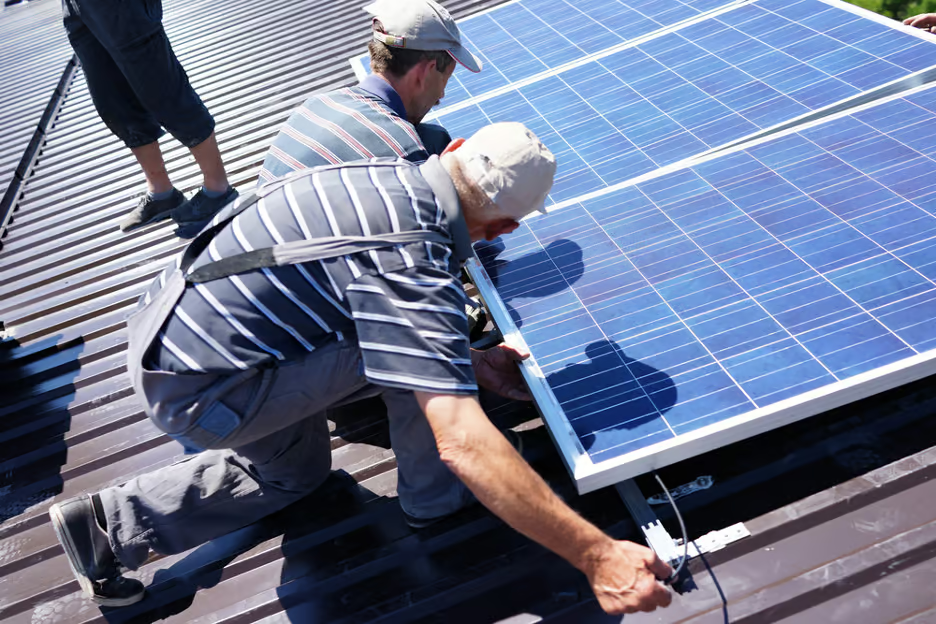
The typical American home requires between 15 and 30 solar panels when utilizing 400-watt panels, according to HomeAdvisor. This number varies based on household energy consumption, roof size, and solar exposure—factors crucial for homeowners to evaluate when considering solar roofing. Proper assessment will ensure that the solar system sufficiently meets energy needs of the home.
For many, the idea of switching to solar is aligned with a sustainable lifestyle choice, reducing reliance on fossil fuels and decreasing electricity bills. As more people seek to reduce their carbon footprint, the attractiveness of solar roofing becomes even more pronounced. The integration of renewable energy into daily living is not only feasible but increasingly practical as technology advances.
The future of solar roofing in the U.S. looks bright, with predictions indicating a significant increase in adoption by 2030. As solar technology becomes more intertwined with eco-conscious lifestyles, the move towards widespread solar adoption not only benefits individual homeowners but also contributes to larger environmental goals. Embracing solar roofing is more than just an economic decision—it’s a commitment to a sustainable future.

| [donate]
| Help keep news FREE for our readersSupporting your local community newspaper/online news outlet is crucial now more than ever. If you believe in independent journalism,then consider making a valuable contribution by making a one-time or monthly donation. We operate in rural areas where providing unbiased news can be challenging. |