














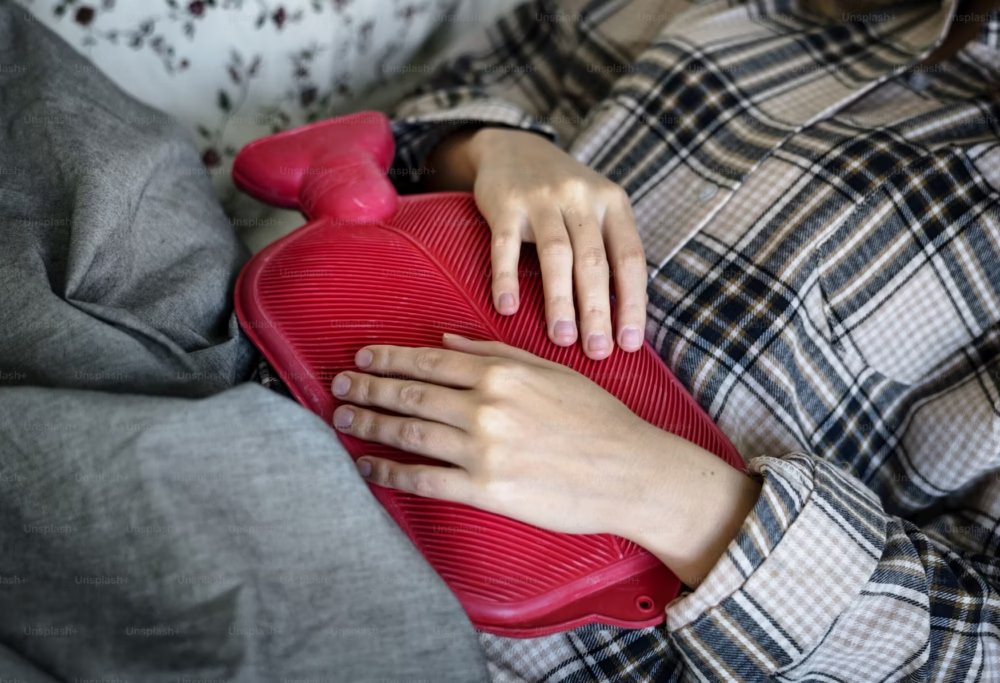

- Burn injuries from hot water bottles rose 11 per cent in 2024 compared to 2023, with over c.1,000 cases in 2024 — the highest annual total in more than 20 years.
- Injuries have doubled since 2019, showing a sustained five-year increase.
- National Burns Awareness Day highlights the hidden dangers of hot water bottles.
The Royal Society for the Prevention of Accidents (RoSPA) is raising serious concerns over a sharp rise in burns linked to hot water bottles and microwaveable warmers, urging people to take immediate safety precautions to avoid serious injuries.
National Burn Awareness Day 2025 (Wednesday October 15) will highlight the risks of accidental burns from these common household items, with new figures from Children’s Burns Trust and the International Burn Injury Database (iBID) showing a 100 per cent increase in injuries over the past five years.
In 2024 alone, c.1,000 cases were recorded — the highest annual total in over 20 years.
RoSPA’s advice includes:
- Check the age and condition of hot water bottles.
- Avoid overfilling and never sit or lie on them.
- Use a fabric cover or wrap the bottle in a towel to prevent direct contact with skin.
These steps are especially important for households with children, who are most at risk of burn and scald injuries.
Amid growing public concern and the rise in injuries, the British Standards Institution (BSI) recently reinstated the national committee tasked with reviewing and updating the hot water bottle standard, with the goal of supporting public safety and equipping manufacturers with the right knowledge and understanding. RoSPA’s Adrian Simpson, Head of Policy, now chairs the BSI committee responsible for reviewing and updating these standards to reflect modern safety requirements.
Adrian Simpson, Head of Policy at RoSPA, said:
“We’re pleased that the committee for hot water bottles and microwaveable warmers has been reinstated by BSI, with the aim of giving manufacturers clear guidance to improve product safety. RoSPA is proud to have been invited to chair the standards committee, helping to ensure these products reflect the latest safety requirements. However, these items can still pose risks—especially older ones—so we urge the public to follow simple safety steps to stay warm without injury. We will also consider this issue in future engagement with policymakers and standards bodies.”
Ken Dunn, Consultant Burns and Plastic Surgeon (retired) and Vice Chair of The Children’s Burns Trust, said:
“It’s alarming to see such a sharp increase in burns caused by hot water bottles, particularly in young children. We know that these injuries can lead to long-term physical and psychological effects, which is why prevention is crucial. As the colder months of the year approach – coupled with the ongoing financial strain that many households are under – we’re urging families to avoid using hot water bottles for children. If you do use them at all in the home, you should remember two key pieces of information about how to use them safely – never fill them with boiling water and always check the rubber flower symbol found on the neck which shows which month and year the hot water bottle was made. Any bottle older than two years old should be replaced.”
The reinstatement of standards marks a major step forward in consumer safety. RoSPA will continue working with policymakers and industry to ensure these products remain safe and fit for purpose.

| [donate]
| Help keep news FREE for our readersSupporting your local community newspaper/online news outlet is crucial now more than ever. If you believe in independent journalism,then consider making a valuable contribution by making a one-time or monthly donation. We operate in rural areas where providing unbiased news can be challenging. |