














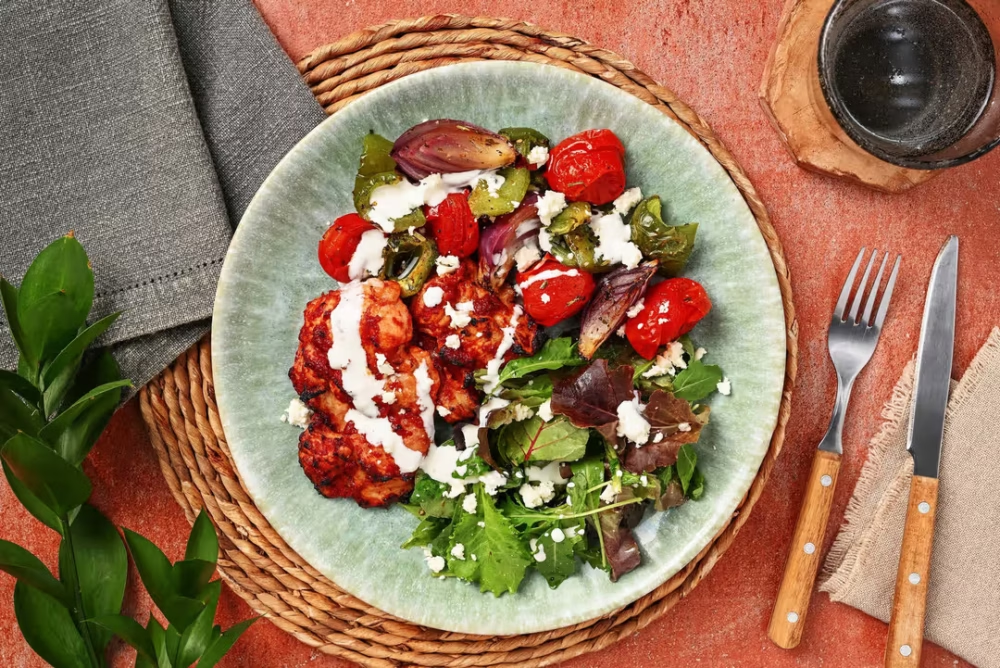

The Mediterranean diet is in the news again, and unlike many diets, it is not a fad. It’s rooted in the genuine lifestyle habits of some of the healthiest populations on earth, those living along the Mediterranean Sea.
A new study published in the Journal of Neurology, Neurosurgery and Psychiatry, found that those who ate a Mediterranean-style diet had brains that showed fewer signs of ageing over time. Researchers tracked over 1,600 adults with an average age of 60, and what they found adds meaningful weight to an already substantial body of evidence.For anyone paying attention, this will not come as a shock. The Mediterranean diet has been the subject of serious scientific interest for decades, and it keeps showing up in the results because it works.
Lily Keeling, Registered Nutritionist and Recipe Development Manager at healthy recipe box provider Green Chef comments: “What keeps striking me about the Mediterranean diet research is that it just doesn’t fall apart under scrutiny,” Lily explains. “Most dietary trends look promising early on and then the evidence just does not back it up the way everyone hoped. This one keeps holding up over decades and across completely different populations. That kind of consistency is quite rare, and that is not something you can say about many diets.”
Starting the Mediterranean diet can feel overwhelming, but Lily has a few tips on where to begin and how to make the transition feel more straightforward.
Start with one meal, not a whole new lifestyle
Pick one dinner a week and build it around fish, beans or lentils instead of meat. A simple baked salmon or sea bass with roasted vegetables and a drizzle of good olive oil is as Mediterranean as it gets, and it takes twenty minutes.
Lily says, “People panic when they think they need to change everything at once. It can be overwhelming, but simply starting small and building on that is enough. One solid meal a week, done consistently, shifts your overall pattern more than a short-lived overhaul will.”
Swap your cooking fat
Replace butter with extra virgin olive oil for dressing, dipping and low to medium heat cooking, and use light olive oil for higher heat. It’s one of the smallest changes you can make and one of the most well-evidenced for long-term health.
“Olive oil is genuinely central to why this way of eating holds up so well in research. It’s not just a healthier fat, it contains compounds that actively support the body in ways butter and vegetable spreads simply do not,” Lily notes.
Eat berries twice a week, at minimum
The latest research specifically calls out berries for their effect on brain structure over time. Blueberries, strawberries, raspberries. Fresh or frozen, it makes no difference nutritionally. Add them to porridge, yoghurt or eat them as they are.
“Berries are one of those rare foods where the evidence keeps getting stronger the more we study them,” Lily says. “Twice a week is the threshold that tends to appear in the research, so that is a genuinely useful number to remember.”
Use more pulses in your dishes
Swap one meat-based meal a week for one built around pulses. A chickpea stew with tomatoes and garlic, a bowl of lentil soup with good bread, butter beans slow cooked with herbs and greens. These are not substitutes for something better. They are exactly what people across the Mediterranean have been eating for generations.
“Pulses are probably the most underused food in British kitchens. They don’t have to be a compromise for people who do not eat meat. They are genuinely central to some of the most flavourful cooking in the world.”

| [donate]
| Help keep news FREE for our readersSupporting your local community newspaper/online news outlet is crucial now more than ever. If you believe in independent journalism,then consider making a valuable contribution by making a one-time or monthly donation. We operate in rural areas where providing unbiased news can be challenging. |