















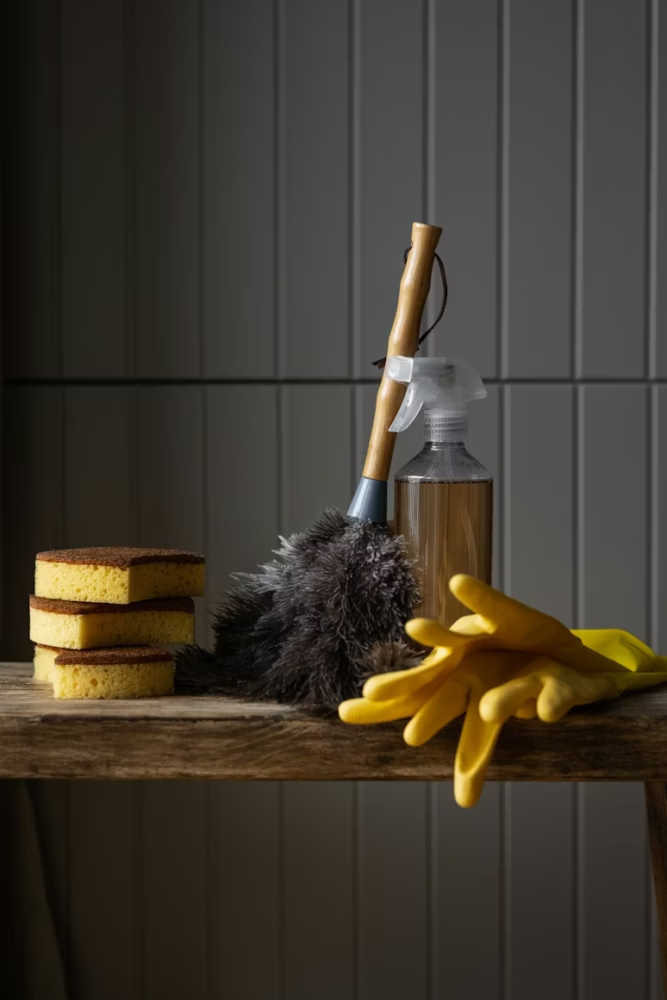


Trending TikTok hacks could end up costing cleaning enthusiasts up to £3,650 in repairs and replacements, according to appliances expert Sam Carter.
As spring cleaning season kicks off, households across the UK are turning to TikTok for quick, satisfying cleaning wins. But according to appliance expert Sam Carter, many of these viral “hacks” could be doing more harm than good, leading to avoidable repair bills running from £80 to £1,200, which, if you tried all 6 hacks, could end up totalling £3,650 in repairs and replacements.
Sam commented “We’re seeing a surge in ‘hack-style’ cleaning content that prioritises visual results over long-term appliance care. The problem is that many of these trends ignore how appliances are actually engineered to function, particularly when it comes to heat, moisture, and chemical compatibility.”
Here are 6 trending cleaning hacks to avoid this spring, and what they could end up costing you instead:
Sam Carter, radiator and appliance expert at Appliances Direct said,
- DIY ketchup and foil radiator cleaning hack could set you back between £120-£350
It might sound unusual, but using tomato ketchup to remove rust can work in some cases, although it’s not something I’d recommend. The mild acids in ketchup can help break down light surface rust, while using scrunched up foil can act as a gentle abrasive, but it’s only really effective on very minor marks. Save your ketchup for your bacon sandwiches. The problem is that ketchup also contains salt and sugar, which can worsen corrosion and leave behind residue that attracts dust and dirt. For longer-lasting results, it’s far better to use a proper metal cleaner and focus on prevention, like keeping radiators dry and rooms well ventilated. The potential cost of trying this trend isn’t worth it – you could end up with corroded, patchy radiators that could require a heating engineer, setting you back around £60 per hour for a callout (£80 in London), plus materials like rust inhibitor (£15 – £20) and paint (£8 – £20), meaning you’re easily looking at £120 or more once labour and parts are factored in. In the worst cases, replacing a damaged radiator can range from £60 to £350, depending on the style – meaning on average, you’re likely to spend anywhere from around £120 to £350 on this expensive cleaning hack.
- Viral oven cleaning cling film trick may lead to £230 in repairs and up to £800 to replace your oven entirely
Whilst this might work in terms of getting rid of first and grease, the longer term health of your appliance may be compromised. Leaving strong chemical cleaners wrapped in cling film to sit on the oven for extended periods can damage internal coatings and seals. Many oven cleaners are highly corrosive, so prolonged exposure can weaken enamel, degrade rubber seals, and even damage the glass door. This trend has seen TikTok cleanfluencers, leaving chemicals for up to 24 hours, which isn’t recommended. Sealing the oven with cling film traps those chemicals inside, which can create strong fumes when it’s opened and potentially leave residue behind. When the oven is next used, those residues can burn off into the air, which isn’t something you want in a food environmentThe potential cost of following this trend can quickly add up – repairs alone can range from £80 to £230, with something like replacing a damaged door seal costing around £80, while more serious issues, such as a corroded enamel base or heating element damaged by chemicals, can exceed £150. In more severe cases, you may be forced to replace the oven entirely, with mid-range built-in models typically costing between £250 and £800. Unfortunately sometimes you just need to grab a good oven cleaner and scrub. If that’s not your thing – think about investing in a self cleaning oven (https://www.appliancesdirect.co.uk/ct/cooking/ovens/self-cleaning).”
- Avoid this soapy self-cleaning air fryer hack which could cost up to £300
Filling the basket with soapy water and running the air fryer to “self-clean” may initially sound like a simple fix; however, introducing water or soap into electrical appliances in ways they weren’t designed for is one of the fastest ways to cause internal damage. With air fryers, water can easily reach critical components like the heating element or fan. Beyond the immediate safety risk, steam and soap residue can damage internal parts and significantly shorten the lifespan of the appliance. It may look like a quick cleaning shortcut, but it often leads to avoidable breakdowns. Air fryers aren’t usually worth replacing. The potential cost of attempting this air fryer hack can soon mount up, with replacement often the only option. Most air fryers cost between £50 and £300 depending on the model.
- Putting lemon in your dishwasher could lead to £300 – £700 in damage
Natural cleaning solutions like lemon are often seen as harmless, but even though they are natural, they’re still acidic. Repeated use inside a dishwasher can gradually degrade rubber seals and dull internal finishes. There’s also a practical issue of pulp or seeds which can break off during a cycle and block filters or spray arms. While it might freshen the smell temporarily, it doesn’t replace proper detergent and can actually reduce cleaning performance over time, meaning you will need to replace parts or the entire appliance sooner. When life gives you lemons, don’t put them in your dishwasher. Repairs such as replacing a blocked drain pump or degraded door seals typically range from £70 to £150. In more serious cases, a full replacement dishwasher could cost between £300 and £700. On average, you could be looking at around £150 to £700 in repair costs – talk about what not to do when life gives you lemons.
- Trend where people add scents to dehumidifiers or air con units can cost £80 – 300 in the long run
Dehumidifiers and portable air conditioning units are designed to handle water only. Therefore, adding essential oils, fabric softeners or scent boosters introduces substances that can coat internal coils, block drainage systems and damage plastics or seals. In some cases, this can even encourage the growth of mould inside the unit, which defeats the purpose of improving air quality in the first place. Consider a dehumidifier with an air purifier built in, they have filters to keep your home smelling nice – https://www.appliancesdirect.co.uk/ct/heating-and-air-conditioning/dehumidifiers/air-purifier” As these appliances are often not economical to repair once damaged, in most cases, replacement is the only option – with units typically costing between £80 and £300.
- The boiling water fridge “steam clean” hack may lead to £250 repair costs and up to £1200 in replacement costs
This trend involves placing bowls of boiling water or introducing steam inside the fridge to help loosen dirt and make it easier to wipe clean. While it might seem like an effective shortcut, fridges are designed to maintain a consistent, low temperature, so exposing them to sudden heat can put unnecessary stress on internal components, particularly plastic shelves and linings. The bigger issue is moisture. Excess steam can seep into seals, vents and hard-to-reach crevices, where it doesn’t dry out easily. That lingering dampness can actually lead to unpleasant odours, bacteria and even mould over time—creating more problems than it solves. In most cases, a simple clean with warm soapy water and a cloth is safer, more effective, and less hassle. Repairs such as replacing cracked plastic housing or a damaged thermostat/sensor triggered by sudden heat spikes in your fridge typically range from £100 to £250. In more serious cases, you may need a full replacement, with fridge freezers costing between £400 and £1,200, especially for larger American-style models.
Sam concludes “A good rule of thumb is that if a hack involves putting something inside an appliance that wasn’t designed to be there, whether that’s excessive water, the wrong type of cleaner, or lemons – you’re taking a risk. Modern appliances are finely tuned systems, and even small misuse can lead to damage over time. If a cleaning hack looks unusual or too good to be true, it’s always worth checking manufacturer guidance first. In most cases, sticking to simple, approved methods will be safer, more effective, and far cheaper in the long run.”

| [donate]
| Help keep news FREE for our readersSupporting your local community newspaper/online news outlet is crucial now more than ever. If you believe in independent journalism,then consider making a valuable contribution by making a one-time or monthly donation. We operate in rural areas where providing unbiased news can be challenging. |