














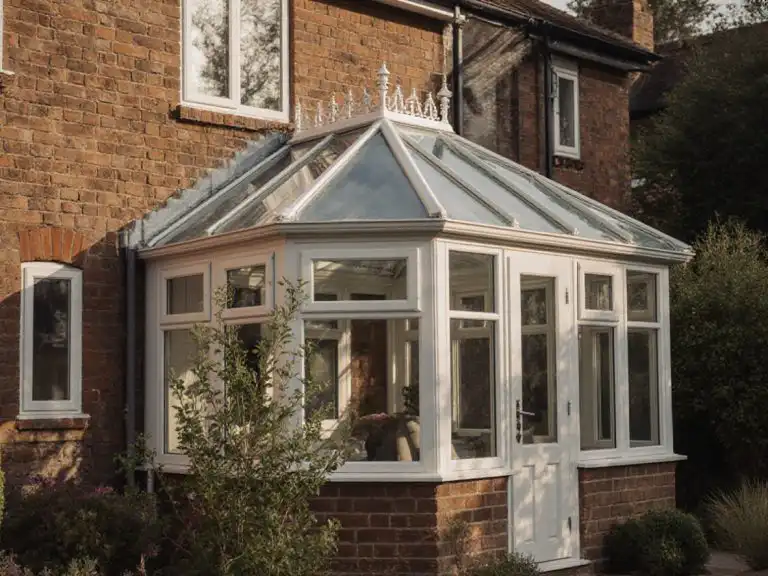

A conservatory should be one of the best rooms in your house, not the one you avoid. On a sunny afternoon it can feel like a greenhouse, and come the first wet, windy week off the Pembrokeshire coast, it turns into the coldest room you own. If that sounds familiar, you’re not alone, and you don’t need to jump straight to a full roof replacement to fix it.
This guide sets out a sensible order of checks and upgrades, starting with the cheapest and least disruptive, so you can work out exactly where your money is best spent before you request a single quote. For many homeowners across Carmarthenshire, Ceredigion and Pembrokeshire, a few targeted changes solve most of the discomfort. For others, the roof really is the limiting factor. Either way, diagnosing the problem first keeps you in control of your budget.
First, work out where the discomfort is coming from
Before you spend anything, spend ten minutes working out what’s actually causing the problem. Conservatory discomfort usually comes from one (or more) of these sources:
- Air leaks – draughts around doors, window frames, and the join between the conservatory and the main house
- Poor insulation – a roof or wall build-up that lets heat escape quickly in winter
- Solar gain – too much direct sun heating the room beyond comfortable levels in summer
- Damp or condensation – moisture building up on cold surfaces, particularly on glazing and roof panels
These four causes need different fixes, so it’s worth separating them rather than assuming one upgrade will solve everything. A draughty door, for instance, won’t be cured by a new roof, and an overheating conservatory in July often has nothing to do with insulation at all. Walk around your conservatory on a cold day and a hot day, and note where you feel the biggest swings in temperature. That simple exercise tells you far more than any sales brochure.
Low-cost fixes worth trying first
Once you’ve identified the likely cause, start with the cheapest fixes. These won’t solve every problem, but they’re inexpensive, quick to try, and often deliver a noticeable improvement on their own.
- Door seals and draught strips – fitting or replacing worn seals around the conservatory door is usually the single best-value fix for draughts
- Blinds or external shading – reduce solar gain in summer without affecting your heating bill in winter
- Door closers – ensure the door between the house and conservatory shuts properly and isn’t left ajar, which lets conditioned air escape
- Heavier curtains – add an extra layer of insulation around glazed doors and windows overnight
A word of caution: sealing a space tightly without thinking about ventilation can trap moisture indoors, leading to condensation and, over time, mould. Keep trickle vents clear and crack a window occasionally, even in winter, to let the room breathe. And remember that shading solves a summer problem, not a winter one — don’t let a well-intentioned blind block useful solar warmth on a cold, sunny February afternoon.
Use heating and humidity controls intelligently
If draughts and shading haven’t fully solved the problem, look at how you’re heating the space rather than how much. A thermostatic radiator valve or a smart plug on a portable heater lets you target warmth exactly when and where you need it, rather than heating an empty room all day.
Keep these points in mind:
- Portable heater safety – never leave an electric heater running unattended or overnight, and keep it well clear of curtains, furniture and foot traffic
- Condensation management – a conservatory that’s heated intermittently can suffer worse condensation than one left at a stable, lower temperature, so avoid switching heating fully on and off
- Extra heat isn’t a substitute for insulation – if you find yourself running a heater constantly just to keep the room usable, that’s a sign the building fabric, not your habits, is the real issue
This is an important checkpoint. If you’ve addressed draughts, added shading, and managed your heating sensibly, and the conservatory is still uncomfortable, the roof is very likely the limiting factor.
When the roof is the limiting factor
Many older conservatories were built with highly glazed roofs or thin polycarbonate panels that offer almost no insulation. These roofs lose heat rapidly in winter and let in excessive solar heat in summer, which explains the familiar “sauna in July, fridge in January” complaint.
There are three broad ways to tackle a poorly performing roof, each with a different balance of cost, disruption and effectiveness:
- Internal multifoil or insulation systems fitted beneath the existing roof structure, which are relatively quick to install and don’t change the external appearance
- Insulated replacement panels, like Cosy Panels or LEKA Roof Systems, which swap out the existing glazing or polycarbonate for solid, insulated panels while keeping the existing roof frame
- Full roof replacement, which involves a new structure entirely and is the most disruptive but can also resolve structural or leak issues alongside insulation
Before any work on the roof structure, it’s worth understanding the regulatory position. Most conservatories are exempt from full building regulations, but that exemption depends on conditions such as floor area, thermal separation from the house, and not extending the home’s fixed heating system into the conservatory — full details are on the Welsh Government’s conservatory building regulations page. If your roof work affects thermal performance or ventilation, it may also be assessed against the latest guidance in Approved Document L and Approved Document F, which take effect in Wales from March 2027, with transitional arrangements for work already under way. It’s sensible to check with your installer, or your local authority building control team in Pembrokeshire, Carmarthenshire or Ceredigion, which edition applies to your project and timing.
Comparing the next level of upgrades
Once you’ve confirmed the roof is the problem, compare your conservatory insulation options against what matters most to you: how disruptive the work is, how suitable it is for your existing structure, how much daylight you’ll keep, and how much technical risk is involved.
| Upgrade option | Disruption | Suitability | Daylight impact | Technical risk |
| Seals and shading | Minimal – DIY or a short visit | Suitable for most draught and overheating issues | No change | Low |
| Internal roof measures (e.g. multifoil) | Low to moderate – usually completed within days | Works well where the existing roof structure is sound | Some reduction, depending on system | Low to moderate |
| Insulated panel replacement | Moderate – existing frame reused where possible | Depends on frame condition and load capacity | Noticeable reduction compared to glass or polycarbonate | Moderate – requires a proper compatibility check |
| Full roof rebuild | Highest – structural work involved | Best where the frame itself is failing or undersized | Varies by design choice | Higher – requires planning and building control input |
No single option is right for everyone. Choose seals and shading if your main complaint is draughts or summer glare rather than persistent winter cold. Choose internal roof measures if your frame is sound but the roof material itself is the weak point. Move to insulated panels or a full rebuild only once you’ve confirmed, through the steps above, that the existing structure genuinely can’t deliver year-round comfort.
How to request a conservatory insulation quote without losing control of the budget
Once you’ve decided the roof needs attention, a clear, well-informed quote request protects you from scope creep and unexpected costs. Ask every installer to confirm:
- A condition survey of the existing frame before any panel or system is specified
- Compatibility between the proposed roof system and your current structure
- Ventilation provisions, so sealing the roof doesn’t trap moisture inside
- Warranty terms for both materials and installation
- Waste disposal arrangements for the removed roof materials
- Local permissions, including whether your project falls outside the usual conservatory exemption
- What’s excluded from the quoted price, such as scaffolding, electrical work, or making good internal finishes
Getting these answers in writing before work starts means you can compare quotes fairly and avoid surprises halfway through the job.
Your three-step path to a more comfortable conservatory
Getting your conservatory right doesn’t need to be overwhelming. Work through it in order:
- Diagnose – identify whether draughts, poor insulation, solar gain or damp is driving your discomfort
- Try safe, low-cost changes – seals, shading, sensible curtains and smarter heating habits, with proper attention to ventilation
- Get a suitability-led roof assessment – if discomfort persists after step two, bring in an installer to assess your roof against the options above, and check building regulations guidance before committing to structural work
Follow this order and you’ll spend money only where it genuinely makes a difference, giving you a conservatory that’s comfortable across every season the West Wales weather throws at it.

| [donate]
| Help keep news FREE for our readersSupporting your local community newspaper/online news outlet is crucial now more than ever. If you believe in independent journalism,then consider making a valuable contribution by making a one-time or monthly donation. We operate in rural areas where providing unbiased news can be challenging. |